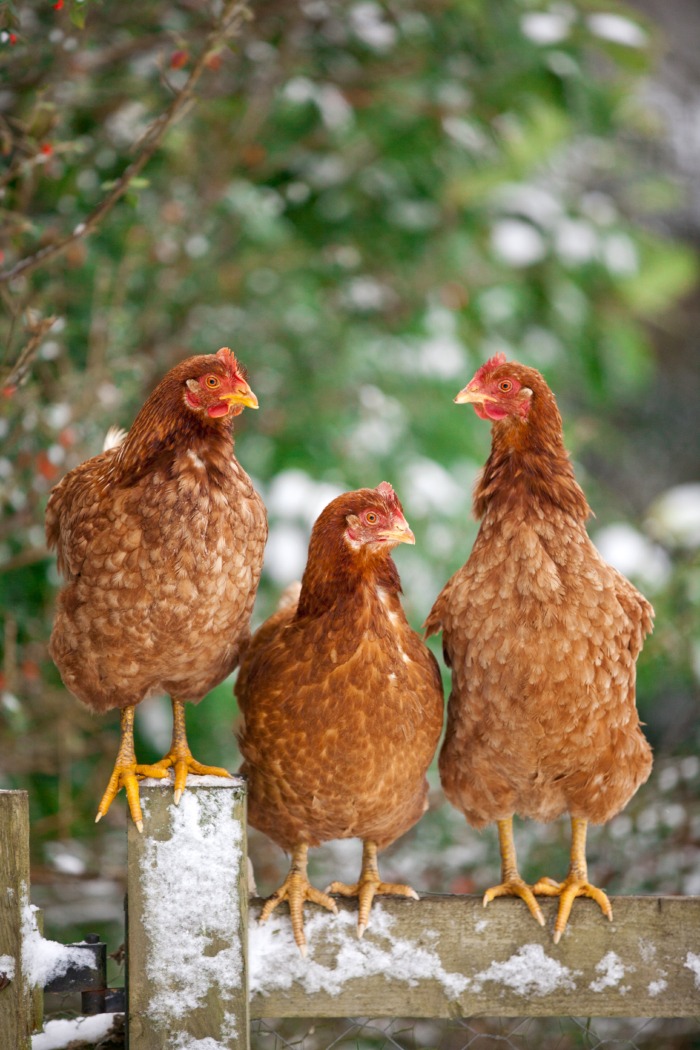
Maximising Biosecurity in Your Flock This Winter
With Avian Influenza (AI) still a risk across the UK, maintaining excellent biosecurity is essential for every poultry keeper — whether you keep two hens or two hundred. The good news? Biosecurity doesn’t have to be expensive or complicated.
AI is most often introduced through indirect contact with wild birds, especially via infected droppings carried on shoes, equipment or bedding. Even healthy-looking wild birds can carry the virus on their feet and feathers. Rodents can also bring contamination into poultry sheds. That’s why it’s vital to limit access, improve hygiene and break any possible route of disease transmission.
This article covers the key principles of winter biosecurity, how AI spreads, and the practical actions you can take today to keep your birds safe and healthy.
1. Hygiene and disinfection
Keeping the environment clean is your first and most important line of defence.
Clean and disinfect housing regularly
- Remove soiled bedding frequently and keep litter dry and refreshed. Nettex Ground & Bedding Sanitising Powder is ideal for keeping bedding areas, nest boxes and runs hygienic, helping reduce harmful bacteria and viruses that thrive in damp winter conditions.
- Improve ventilation without creating draughts.
- Regularly clean and sanitise perches, nest boxes, pop holes, and all feeding and drinking equipment. Nettex Poultry Sanitiser & Egg Wash is a dual-purpose solution perfect for cleaning drinkers, feeders and equipment.
- Use a DEFRA-approved disinfectant in foot dips when entering or exiting the run.
2. Prevent bringing disease into (or out of) the coop
Footwear is a major pathway for carrying AI into poultry areas.
Set up an effective foot dip
Place a boot dip containing a DEFRA-approved disinfectant at the entrance to all bird enclosures. Remember:
- The disinfectant must be mixed at the correct concentration.
- Replace it regularly as per the manufacturer’s guidance.
- Scrub off visible mud first — disinfectant won’t work on dirty boots.
Changing into coop-only footwear is even better.
3. Restrict contact with wild birds and wildlife
Since wild birds (especially waterfowl) can carry AI without showing any signs, limiting contact is vital. There is increased risk in winter due to migrating birds.
To restrict contact, you can:
- House food and water indoors or in a fully enclosed run to prevent wild bird access.
- Block access to standing water, ponds or puddles where wild birds may have been.
- Rodent-proof sheds with metal mesh and repair any gaps immediately.
- Use safe, humane rodent control methods to reduce disease risk.
4. Maximise flock health
Healthy birds are more resilient to disease.
- Buy stock only from reputable suppliers.
- Quarantine new or returning birds for at least 14 days.
- Keep species separate — ducks and geese should not mix with chickens.
- Separate any sick or injured birds immediately and contact your vet.
- For additional immune and energy support, Nettex Vit Boost Tonic can be added to drinking water to help maintain vitality and strengthen the immune system through winter. Nettex Poultry Power Drops are also useful for providing fast-acting support for any hen looking under the weather or recovering from stress.
5. Be prepared
Good preparation improves early detection and response.
Know the clinical signs of AI:
- Sudden, unexplained death
- Swollen head or face
- Blue or purplish comb and wattles
- Coughing, sneezing or nasal discharge
- Loss of appetite, dullness or paralysis
- Green diarrhoea
If you suspect symptoms, you must report them immediately to the Animal and Plant Health Agency.
- England: 03000 200 301
- Wales: 03003 038 268
- Scotland: Contact your local Field Services Office
Failure to report a suspected case of AI is a criminal offence, as AI is a notifiable disease.
6. Ensure compliance with registration requirements
As of 1 October 2024, all poultry keepers — even those with just one pet chicken — must register their birds with Defra in England and Wales. In Scotland, the requirement has been in place since 1 September 2024.
Register here:
- Scotland: https://keptbirdregister.service.gov.scot/
- England and Wales: https://poultryregistration.defra.gov.uk/?culture=en-GB
Practical Winter Biosecurity Checklist
✔ Foot dip set up with DEFRA-approved disinfectant
✔ Coop-only footwear or disinfected boots
✔ Feeders and drinkers cleaned weekly with a suitable sanitiser
✔ Bedding refreshed regularly with Nettex Ground & Bedding Sanitising Powder
✔ Equipment disinfected between uses
✔ Wild bird access minimised
✔ Rodent-proofing checked and maintained
✔ Birds registered with Defra
✔ Check latest government guidance regularly